Strategic Brand Identity Package Development in 2026: What Actually Separates Pro Work from Pretty Noise
Start with the system, not the logo.
A serious brand identity package in 2026 is not a logo file dump. It is a decision framework: positioning, visual rules, file architecture, and usage control across web, social, pitch decks, AI-generated assets, and print. Amateur work looks fine on a mockup. Enterprise-grade work survives scale, inconsistency, and handoff to other designers without breaking.
What pro execution includes
A credible custom brand identity design package should ship with these non-negotiables:
- Primary logo, secondary lockup, icon mark, and monochrome versions — all built as vector files, not flattened PNGs.
- Source files in AI, EPS, and SVG, plus transparent PNG exports for immediate use.
- Color system with CMYK, RGB, HEX, and Pantone references when print is in scope.
- Typography rules covering primary, secondary, fallback fonts, hierarchy, spacing, and licensing notes.
- Usage guardrails for minimum size, clear space, contrast, and incorrect-use examples.
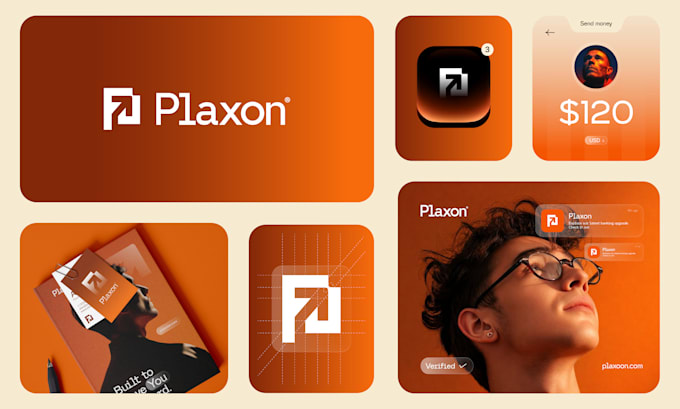
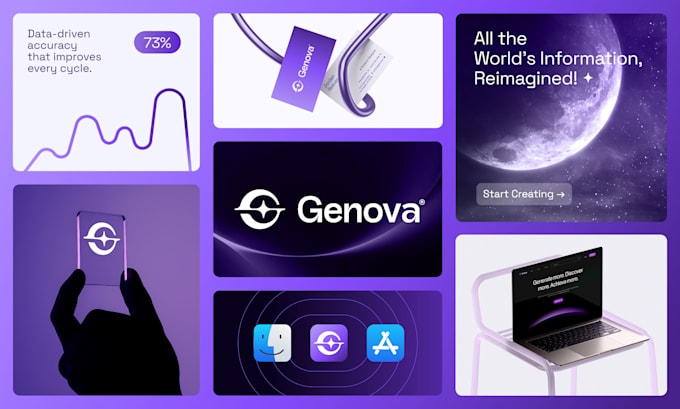
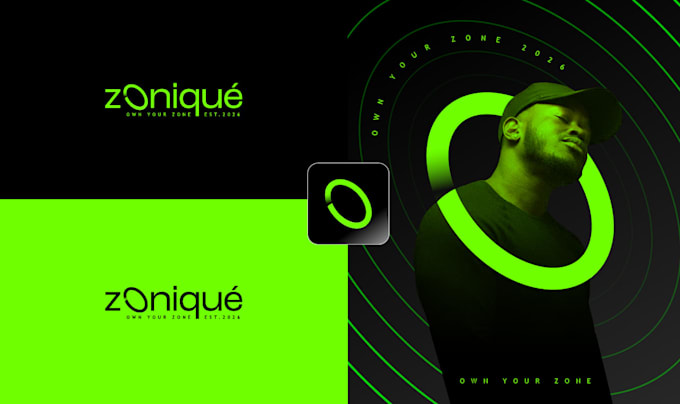
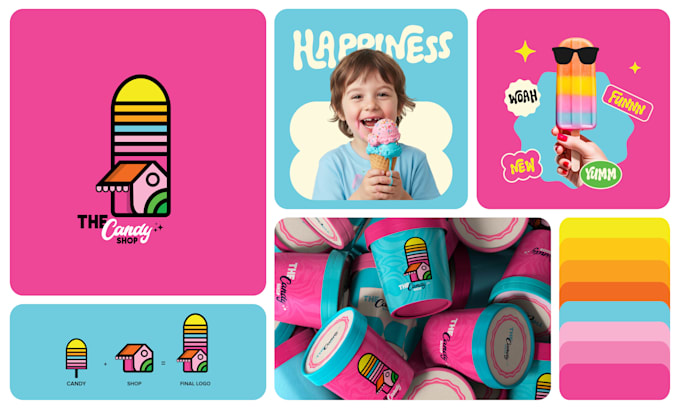
- Application samples across website headers, app icons, social avatars, and pitch-deck covers.
Where amateurs slip
Most weak packages fail in three places. First, they rely on trendy aesthetics without a brand logic beneath them. Second, they ignore file discipline — no vector masters, no naming convention, no export set. Third, they skip operational reality: the mark looks good at 1200 pixels wide and collapses at favicon size. If a brand identity designer portfolio shows only pretty mockups and no system thinking, expect revisions and rework later.
Exact specs to insist on in 2026
Ask for editable vector masters, outlined and unoutlined text versions, SVG optimized for web, and export ratios for 1x, 2x, and social crops. Require a brand book with at least 8–12 pages for lean teams or 20+ pages for multi-channel brands. For print-heavy brands, insist on CMYK-safe palettes and minimum stroke weights that hold up on coated stock. For digital-first brands, verify contrast ratios and dark-mode adaptability. A proper business branding kit should also include folder structure and file naming that another designer can pick up in minutes.
Cost vs ROI: where the money actually goes
Agency packages at $3,500–$5,000+ often bundle overhead, meetings, and account management you may not need. A focused specialist can deliver a sharper result for $25–$135 when the brief is tight and the scope is clear. The ROI is not vanity — it is reduced redesign risk, faster launch, cleaner ad creative, and fewer brand inconsistencies that quietly erode trust. If the identity helps close one client, one investor, or one partnership faster, the package pays for itself.
How to buy without getting burned
Use the gallery as a filter. Favor specialists with live examples of professional branding packages, source-file delivery, and clear revision terms. Fiverr holds funds in secure escrow until you inspect and approve the final files, and Fiverr’s Resolution Center protects your budget if the delivery misses the brief. That matters when you need speed without gambling on a bloated retainer. If you have 20 hours to spare and want to master the nuances yourself, follow the blueprint above step-by-step. But if you need an error-free launch this week without burning your weekend, below are verified freelance specialists priced between $25 and $135 who can deliver production-ready deliverables within 24–48 hours.